Good morning, dear readers! Today, I want to have an honest conversation about something that has been weighing heavily on my mind lately: handling disappointment. As a neurodivergent millennial living in Toronto, grappling with disappointments is an all too familiar hurdle in my life, and I’m sure many of you can relate.
Just the other day, I decided to step back into the world of fitness and tried a CrossFit class. This was my first experience in years, and to say I was excited would be an understatement. However, my enthusiasm quickly turned to frustration upon realizing the cost of membership. Back in 2017, I was paying $160 for an unlimited membership at a CrossFit gym. Fast forward to February 2025, and the same pass now costs a staggering $345!
Now, I fully understand that running a CrossFit gym is no small feat—there are overhead costs, rent, and other financial burdens that come into play. Still, instinctively, I felt anger bubbling over. The immediate response was that nagging “not fair” mentality rising to the surface. After working so hard to get to this point in my life, I found it difficult to accept that the prices had doubled, leaving me feeling financially drained and defeated.
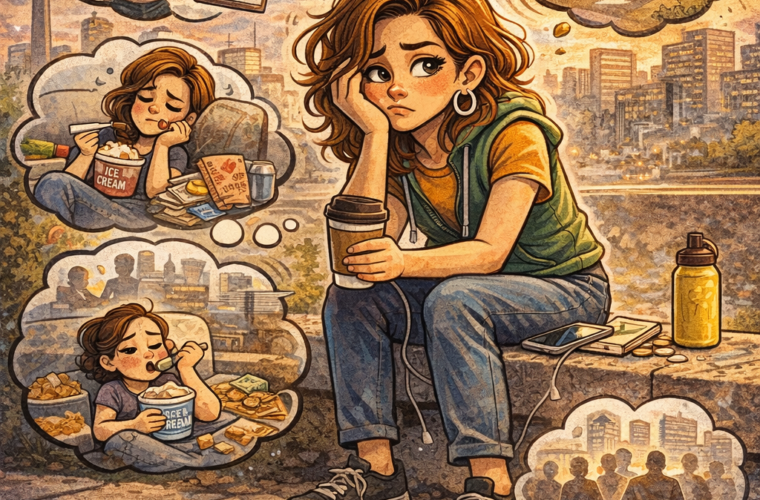
This sense of frustration didn’t stop there. I often find myself questioning the fairness of it all, fighting the urge to spiral into further negative behaviors. It’s as if each new hurdle propels me into a cycle of self-sabotage—avoiding exercise altogether, binge eating, or subjecting myself to emotionally or physically painful scenarios. None of this helps resolve the underlying issue, of course. Yet, when disappointment strikes, it’s my default reaction.
It raises the question: is it fair? Of course not. And I’m still grappling with that anger. The more I try to move forward, the more exhausted I feel as the finish line seems to keep moving further away. It can be incredibly disheartening to navigate life in a city that often feels like it thrives on wealth disparities, where finding that healthy balance can sometimes seem impossible.
It makes me wonder how I can live in a world where I aspire to be happy and healthy, with a roof over my head and extracurricular activities that bring me joy, especially when the economic landscape feels like it’s constantly shifting against my favor.
So how do I handle these feelings of disappointment? I’m still working on finding the answer, but here are a few strategies that have started to guide me:
1. Acknowledge the Emotion: Instead of suppressing that initial wave of anger or frustration, I’m learning to sit with those feelings. I remind myself that it’s okay to feel upset and that emotions are valid, especially when faced with unexpected changes.
2. Reframe the Narrative: I try to shift my focus from what I can’t change to what I can control. It might not be feasible for me to afford a membership right now, but there are other forms of physical activity to explore.
3. Seek Support: Sharing my feelings with friends and family can lighten the burden. Sometimes, just talking it out helps alleviate the pressure and pressure I place on myself.
4. Practice Self-Compassion: Remembering that I am not alone in facing these challenges allows me to be kinder to myself. Financial hardships and societal pressures affect many of us; I don’t have to go through it alone.
5. Set Realistic Goals: It’s essential to remind myself that small steps toward my goals are still progress, even if they seem insignificant in the grand scheme of things.
Handling disappointment is an ongoing journey—one where I continually discover resilience amidst my challenges. While I may still feel angry about the realities of life and the costs that come with it, I’m slowly learning to navigate my emotions and find supportive frameworks that empower me to move forward, even when the road feels tough.
Thank you for joining me in this candid conversation. I hope my reflections resonate with you or provide some comfort, knowing we’re all in this together, navigating the ebbs and flows of life in our unique ways. Until next time!